

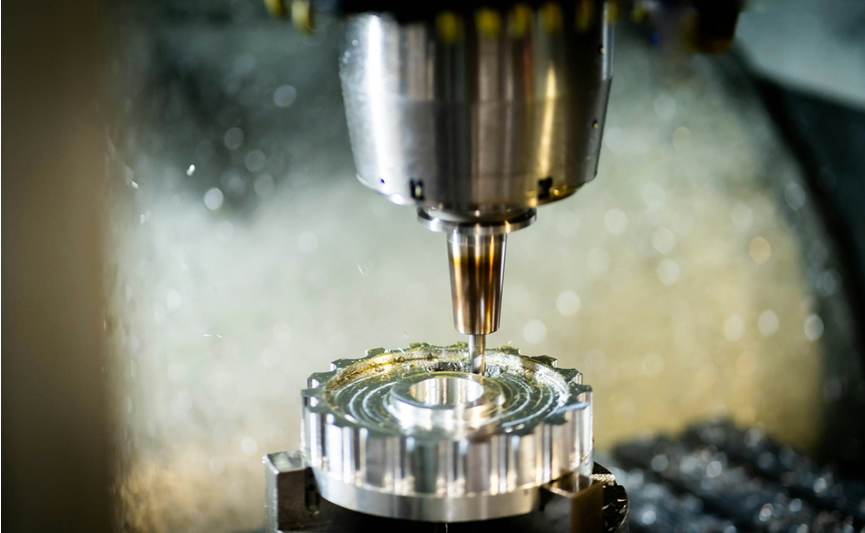
01 What is CNC?
CNC (Computer Numerical Control) machining is a manufacturing process that uses computer instructions to precisely control machine tools for cutting. It acts like a code-driven "precision sculptor," turning digital blueprints into reality. The process begins with 3D design (CAD), where engineers first create a digital model of the part. This model is then converted into machine code (G-code), and finally executed automatically by the CNC machine tool, which precisely "carves" the designed part from a block of raw material.
Compared to traditional machining techniques, CNC machining technology achieves exceptional precision, efficiency, and consistency. It effortlessly handles the machining of complex geometries and controls tolerances at the micrometer level, which is crucial for innovation in industries such as aerospace, petroleum, and high-end electronics.
02 Industry Applications: How Does CNC Empower Manufacturing?
CNC machining technology plays an indispensable role in smartphone unibody construction manufacturing. The smartphone unibody construction is the link between the user and the device, and its design, texture, and durability are critical to the user experience. In smartphone manufacturing, aluminum alloy, titanium alloy, and stainless steel are the mainstream materials for unibody construction. CNC machining technology can precisely cut these materials into various complex shapes, ensuring the smartphone unibody construction fits perfectly with the internal electronic components. For instance, the iPhone utilizes aerospace-grade aluminum alloy, processed through multi-axis CNC cutting and polishing. This not only delivers a refined and smooth touch experience but also enhances resistance to daily wear and impact. Multi-axis CNC machining allows for omnidirectional cutting of complex 3D surfaces during the process, meeting the demands of modern phones for multi-curved surfaces, thin edges, and arc-shaped designs.
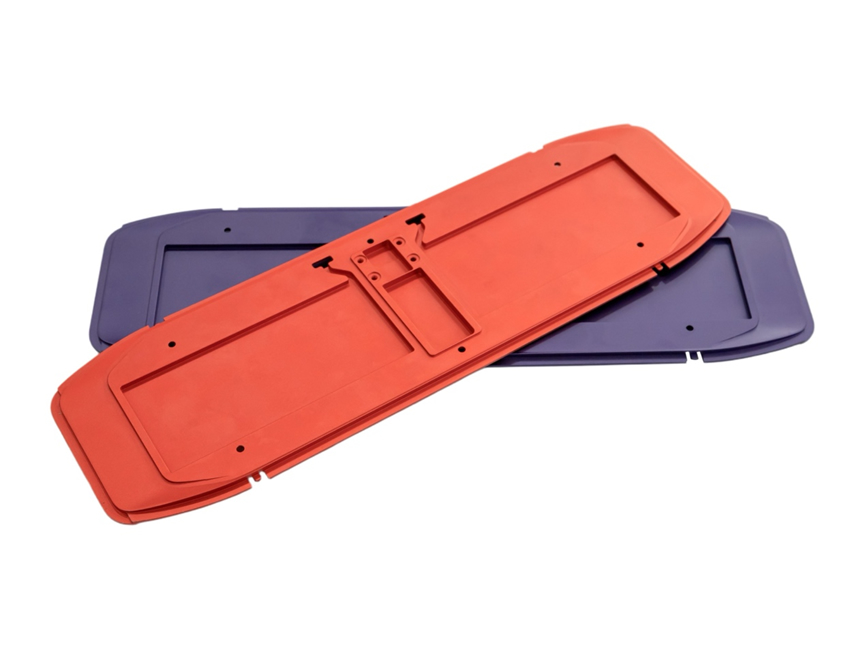
CNC machining technology also performs exceptionally in surface finishing. After initial shaping, smartphone unibody construction undergo precise polishing to achieve a smooth, flawless finish. For metal unibody construction, CNC polishing not only enhances tactile refinement but also imparts a soft luster. Some brands further employ anodizing technology, forming a protective coating on the surface to boost corrosion resistance while offering diverse color options.
03 Technical Trends: New Changes in the CNC Field
Currently, CNC machining technology is evolving toward greater intelligence and integration. The market increasingly demands flexible production capabilities for small batches and multiple runs, requiring manufacturers to possess rapid response and great production capabilities. Partners capable of providing one-stop solutions from design review and precision machining to surface treatment are becoming the market' s preferred choice. Market development and technological evolution place higher demands on CNC machining manufacturers. In addition to advanced equipment (such as Japanese OKUMA machining centers and machine tools), strict quality management systems (like ISO 9001) and extensive industry experience are equally critical.
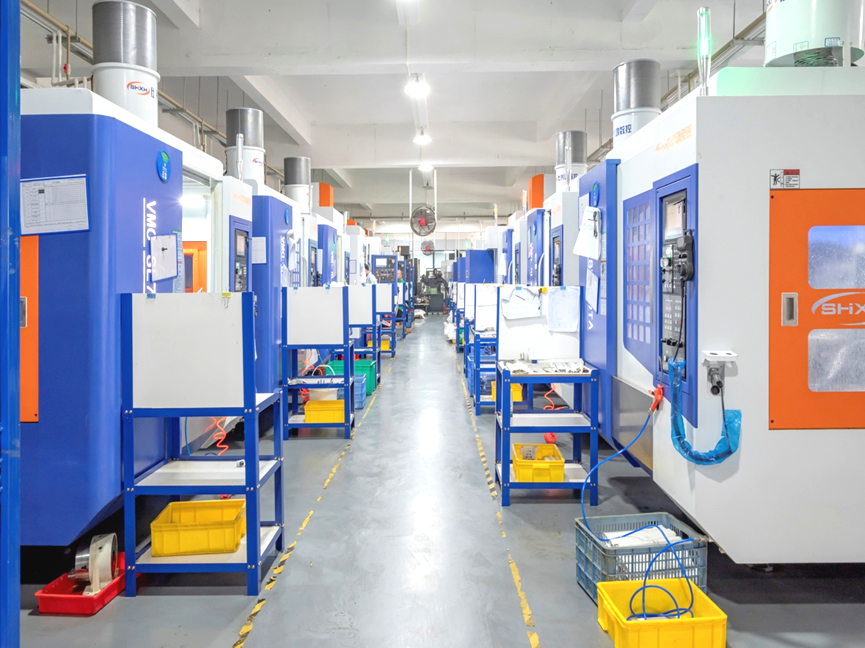
Spark Tech exemplifies such a reliable partner. Supporting by high-end technical equipment and rigorous quality control, we specialize in providing global clients with high-precision, high-quality custom component services, empowering product innovation. We are committed to material innovation, offering machining solutions ranging from aluminum and titanium alloys to composite materials, while continuously enhancing precision—achieving micron-level tolerances.
If you are seeking a reliable precision manufacturing partner, please feel free to contact Spark Tech. Please let us empower your products with our professional expertise.